Every wholesale hair order carries a defect ratio. What separates a profitable buying programme from a leaking one is not whether defects happen, but who pays for them once they do. A claim that is filed late, or filed without evidence, converts a supplier problem into a salon cost.
1. What a Defect Actually Costs
It is tempting to treat a bad pack as a simple write-off at its purchase price. The real cost is larger and it moves in three stages: the pack itself, the labour already spent opening, counting and prepping it, and the scheduling damage when a client appointment has to be moved because the material did not arrive in usable condition.
For a salon buying in volume, the labour and scheduling components frequently exceed the material cost. That is why the negotiation that matters is not only about unit price - it is about which party absorbs the failure when a batch arrives wrong.
2. Structuring the Inspection Window
Claims fail most often because the buyer inspected too late. A defensible process front-loads inspection into the first days after delivery, while the batch and its packaging are still intact.
- On arrival: photograph the sealed consignment, outer carton and inner packing before anything is opened. This establishes the condition at handover.
- First 48 hours: open, count and weight-check. Verify weight per pack and confirm the colour and length on the packing list matches what was received.
- Before first use: run a strand test on at least one pack per batch - direction, shed and wash behaviour. Retain the tested sample.
- After first installation: document any early tangling or breakage with dated photographs from the client's first week, not from week six.
3. Evidence That Actually Wins a Claim
Suppliers reject claims that cannot be tied back to a specific order. The difference between a successful claim and a dismissed one is usually record-keeping discipline rather than negotiation skill.
Attach the order identifier, the delivery date, the number of packs affected against the number received, and photographs taken under consistent lighting. Where several packs are involved, film one continuous shot moving along the row of affected packs rather than submitting separate close-ups - it makes the scale of the problem unambiguous.
4. Terms to Negotiate Before the Repeat Order
Once a claim has been settled, the useful move is to encode the outcome into the next order rather than renegotiating it each time. Three terms do most of the work: a defined claim window measured from delivery rather than from first use, a replacement-credit mechanism instead of a discount on the next invoice, and an agreed sampling step before high-volume runs.
Replacement credit is preferable to a discount because it corrects the shortfall in stock. A discount on the following invoice still leaves the salon without the material it paid for, and it quietly moves the cash-flow problem onto the buyer.
Finally, specify the sampling step in writing. Where a programme is scaling to hundreds of packs, having the first production unit inspected and approved closes the gap that most defect disputes quietly live in.
The Low-Defect Reorder Suite
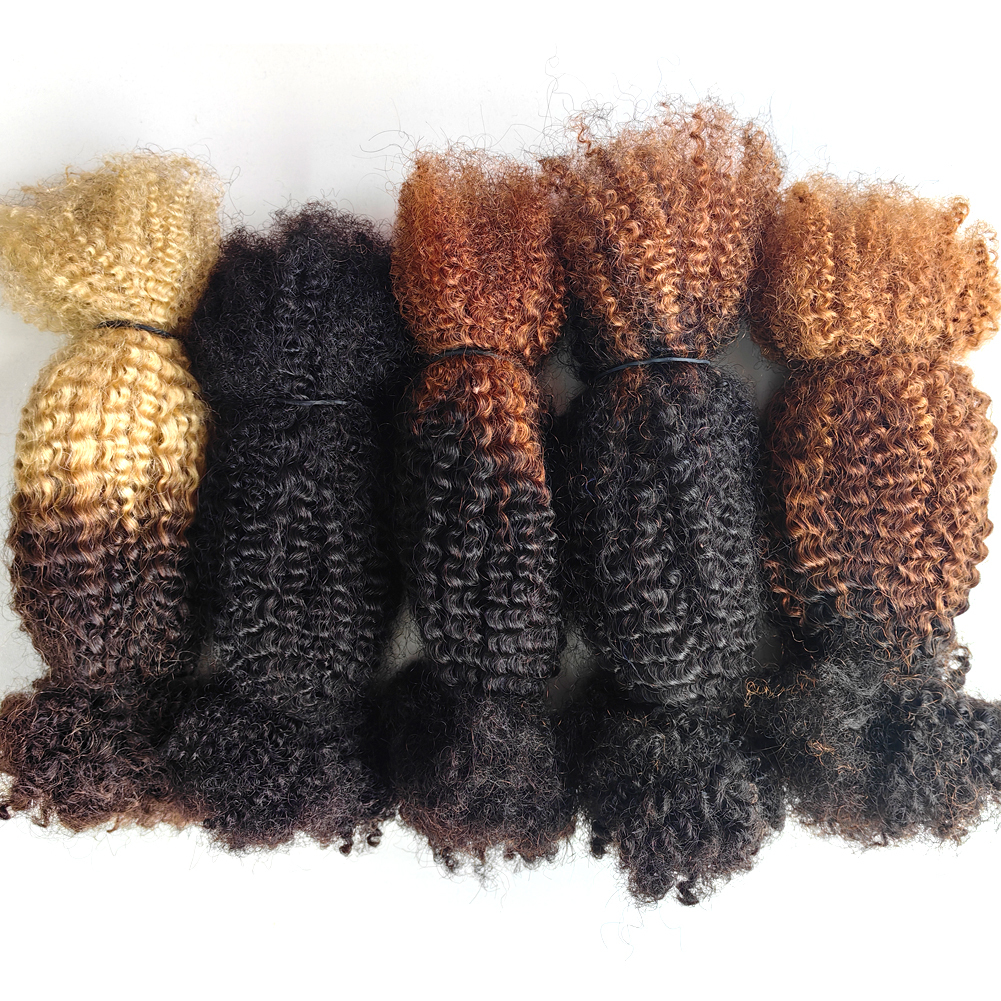
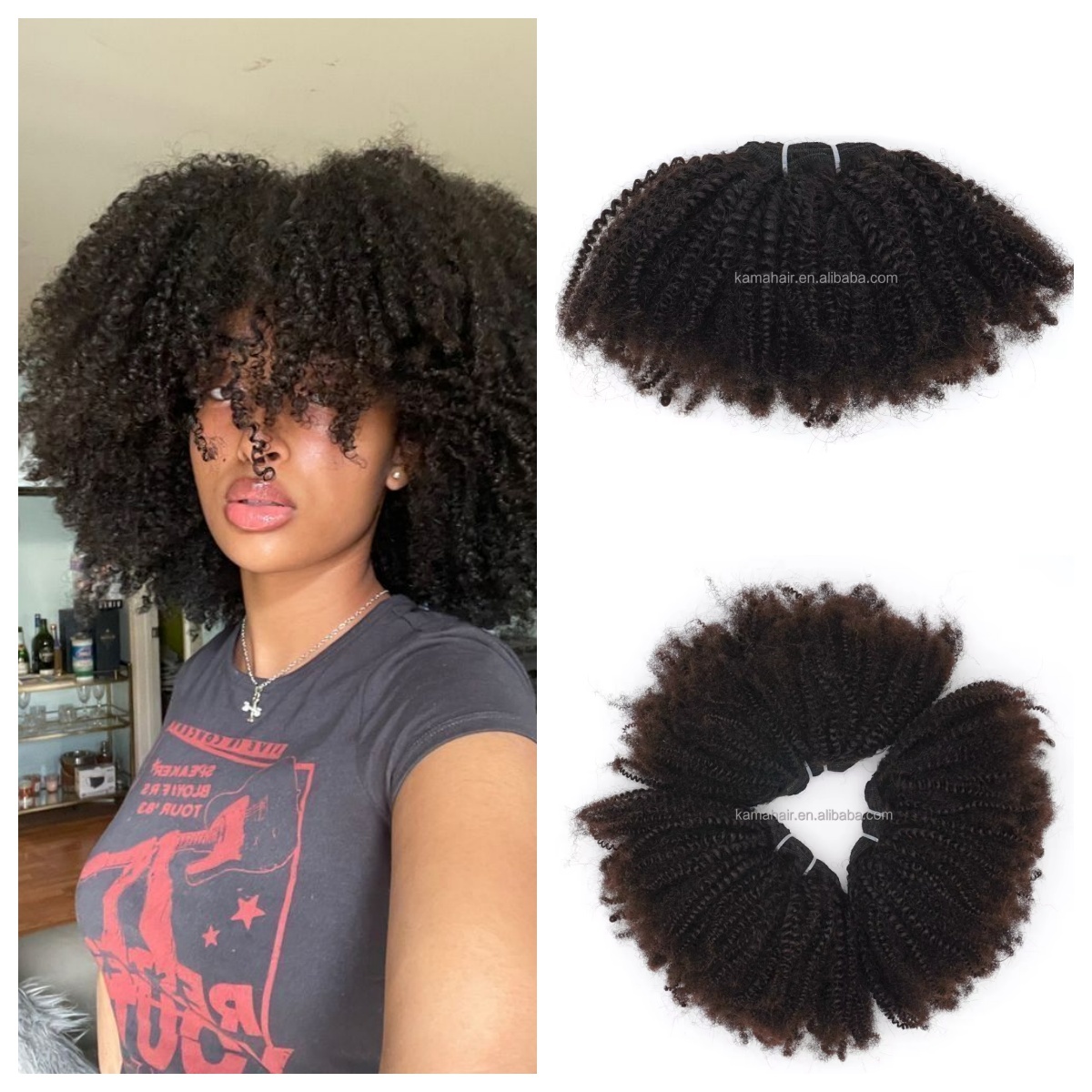
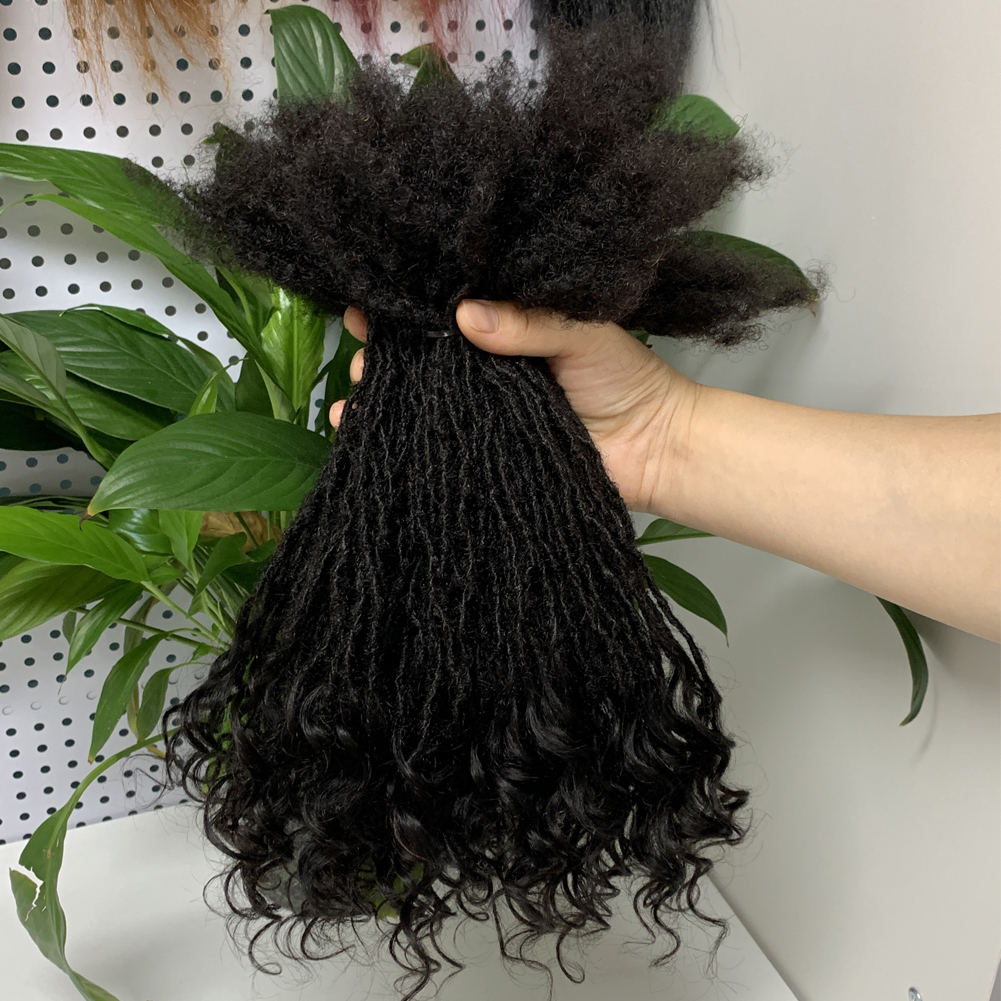
Cuticle-aligned bulk and weft references for benchmarking a supplier batch against a known-good baseline before committing to a repeat order.