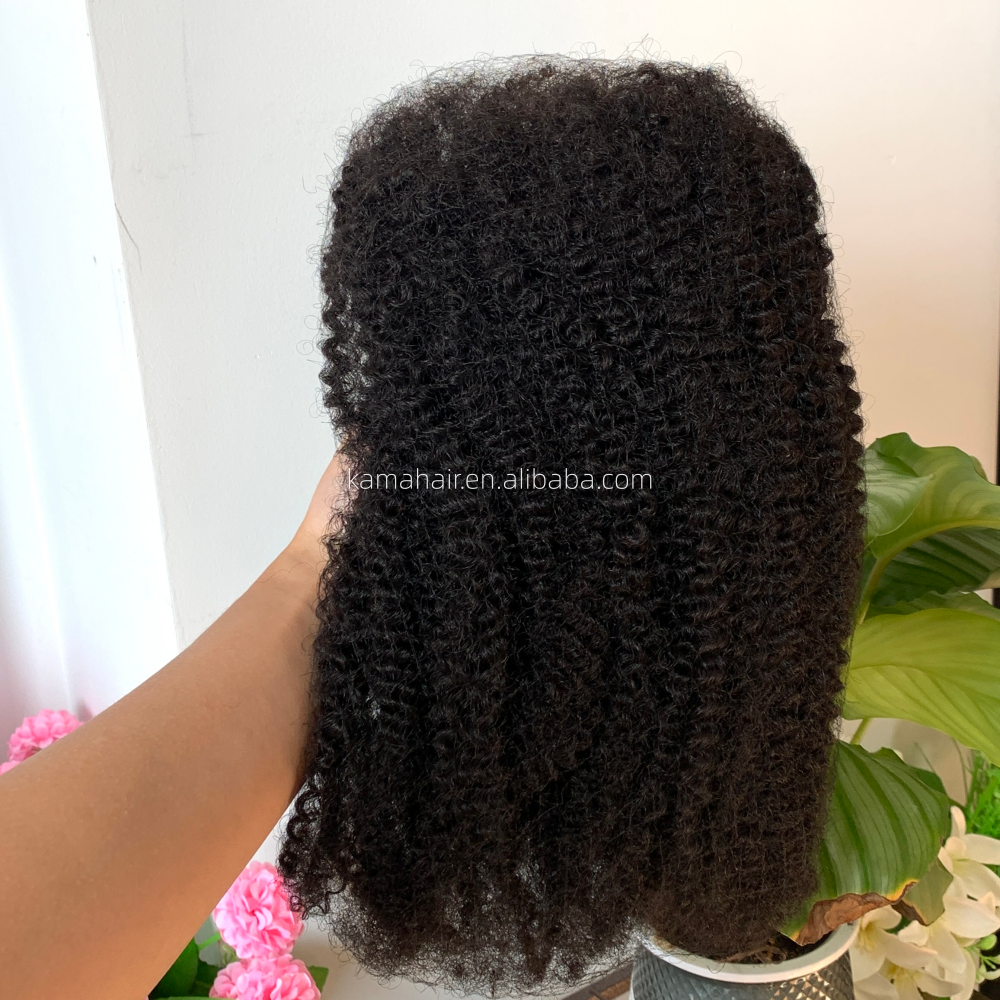
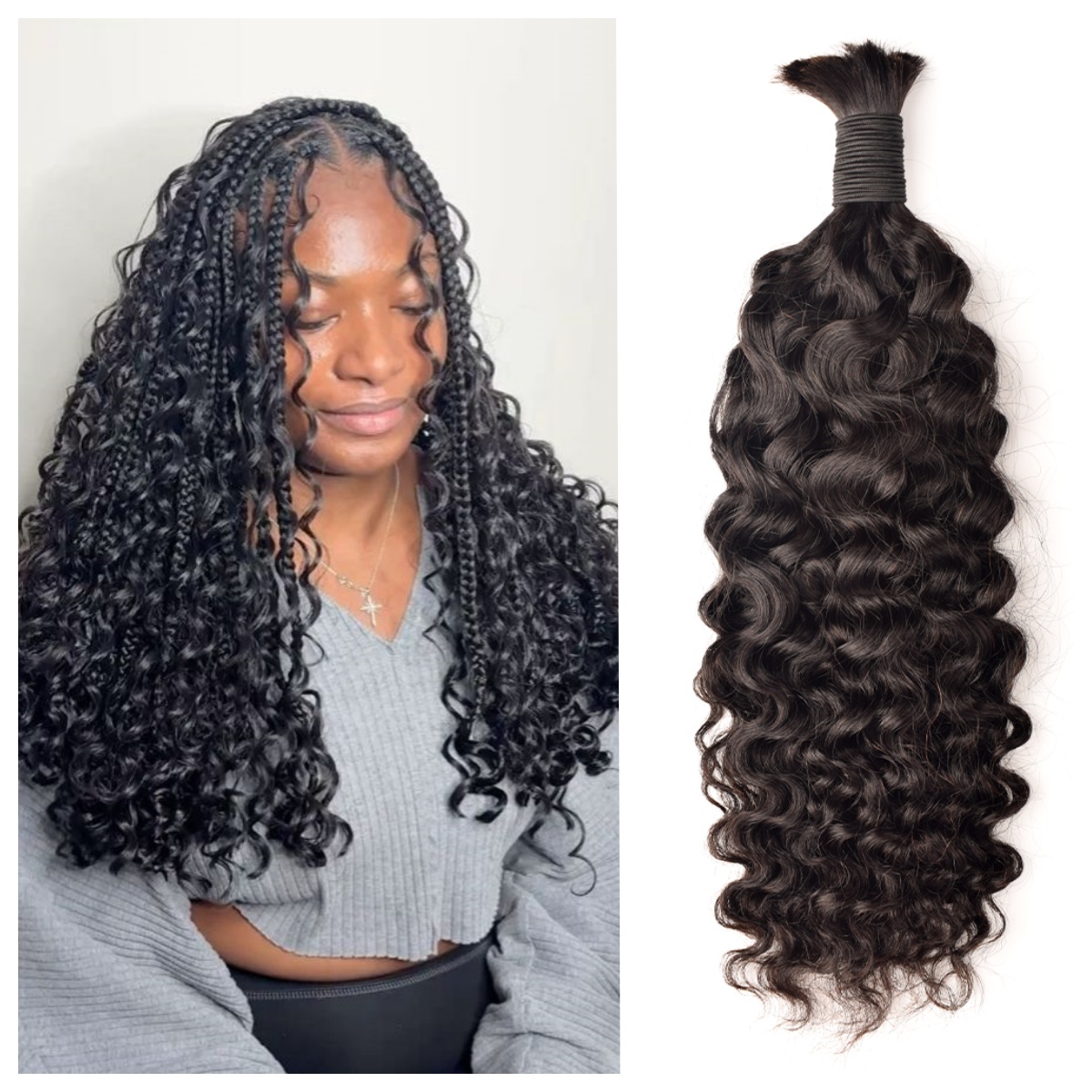
Virgin, unprocessed and single-donor are the three most repeated claims in hair sourcing and the three least often evidenced. The claim is not inherently dishonest - the problem is that it is unverifiable from a photograph, and distributors who buy on the strength of a description alone discover the truth at the wash bowl.
1. Ask for Samples From the Batch, Not From the Catalogue
The first and most useful audit step costs almost nothing. Request the sample from the production batch you are being quoted, with the batch reference attached, and then request the same product again four weeks later. If the two samples differ in gauge, colour depth or feel, the batch control is what you are actually buying - not the specification sheet.
2. The Cuticle Direction Test
Hold a strand at both ends and run a fingertip from root to tip, then from tip to root. Cuticle-aligned hair feels smooth in one direction and slightly resistant in the other. A bundle that resists in both directions has mixed cuticle direction, which is the mechanical cause of the tangling that appears eight weeks into a client's installation.
3. The Six Points Worth Documenting
- Batch reference: recorded on the invoice, so a later reorder can be traced rather than re-negotiated.
- Cuticle direction: verified by hand on a sample, and consistent across the bundle.
- Shedding at the root: comb a small section over a dark cloth and count what falls. Prepared loc extensions should shed minimally by construction.
- Colour depth consistency: the same tone across three bundles from the same batch, checked in daylight rather than under salon lighting.
- Processing disclosure: whether the strand was steamed, permed or lifted, since these determine how the fibre behaves after several washes.
- Repeatability: whether the second order matches the first. This is the only point that distinguishes a supplier relationship from a transaction.
4. Turning Verification Into a Selling Point
Distributors who can show a batch-coded sample and a processing disclosure convert better with salon clients than distributors who show only finished photographs. The audit is not only risk control. It is the evidence that makes a premium price defensible in a category where most competitors can only repeat a claim.
The Source-Verification Sampling Kit
An unprocessed control sample, a salon-grade benchmark and a processed comparison line, supplied from a single workshop so cuticle direction and batch behaviour can be compared directly.