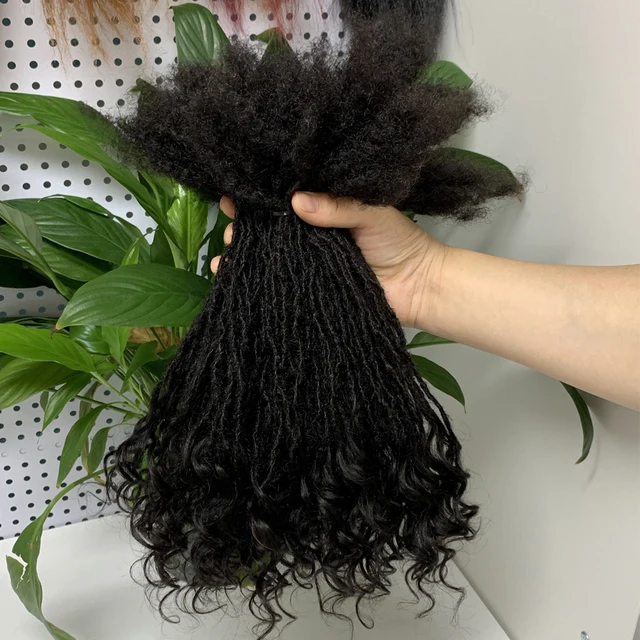
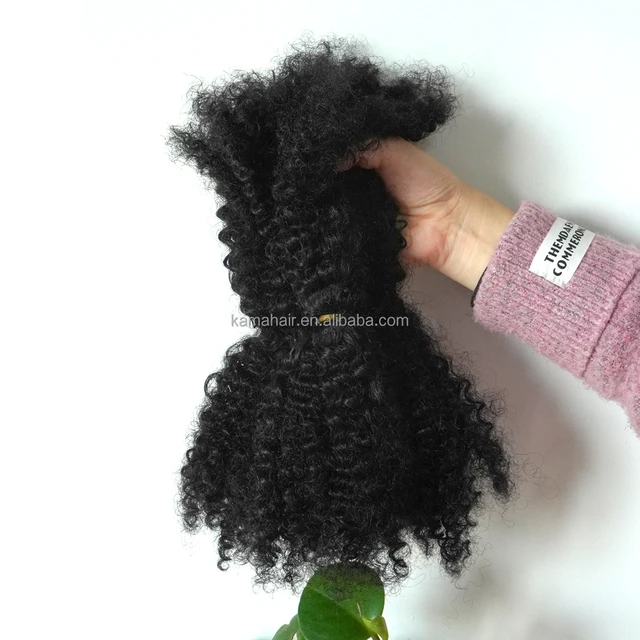
Peak season does not fail because of price. It fails because a workshop accepted more orders than its hands could produce, and every buyer downstream absorbed the delay. Capacity is the one supplier claim that is testable before you wire a deposit.
1. Ask for Output Per Bench, Not Output Per Factory
Monthly output divided by headcount gives you strands per worker per day. That ratio is remarkably stable within a workshop and remarkably different between workshops. If the number looks implausibly high for handmade work, it usually means part of the order is being subcontracted — which changes both quality control and your ability to claim defects.
2. Map the Production Steps
Loc production is a sequence: sorting, blending, rolling or interlocking, sizing, sealing and packing. Ask which steps happen in-house. A workshop that outsources sealing but claims end-to-end control cannot guarantee your diameter tolerance, and your reorder will drift.
3. Test With a Dated Trial Order
Before peak volume, place a modest order and record the promised date against the shipped date. Repeat once. Two data points on a supplier's real lead time are worth more than any production capacity claim in a catalogue.
4. Build a Second Bench Before You Need It
Dual sourcing is not disloyalty; it is capacity insurance. Keeping a qualified second workshop at a small monthly volume preserves your ability to shift 30-40% of an order when the primary bench slips.
The Capacity Verification Suite
Handmade and machine-referenced formats for comparing production consistency across lots.