Every stylist has opened a pack, measured 26 inches against the ruler, and installed something that read 20 inches on the head. The gap is not a supplier defect and it is not your imagination. It is process, and it is measurable — which means it is also a purchasing decision you can price.
1. What Steaming and Pre-Stretching Actually Do
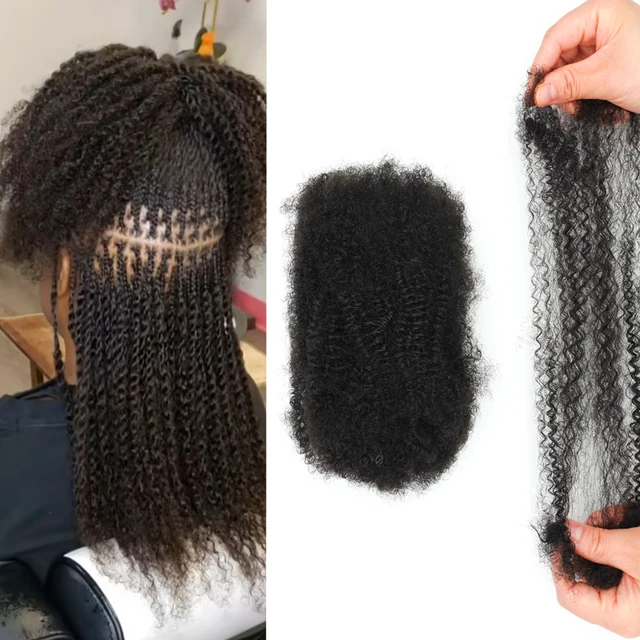
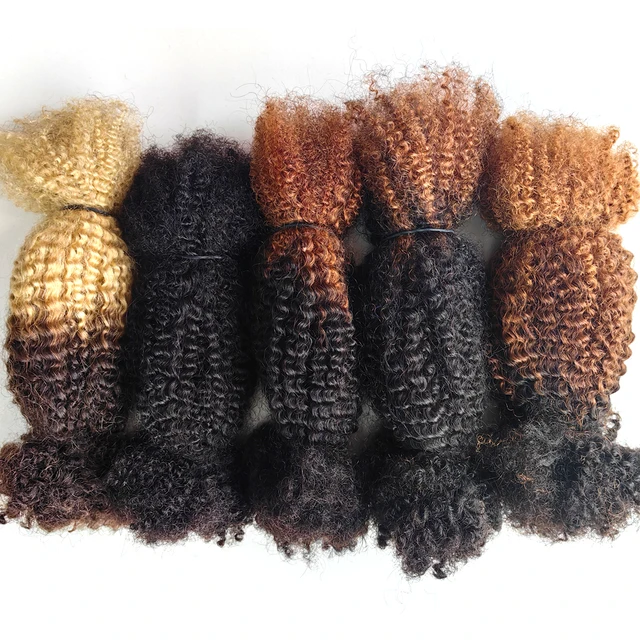
Bulk hair is sold either in its natural relaxed state or after a steam-and-stretch process that draws the fibre straighter and sets it in that position. Steamed bulk reads longer, feels smoother and separates more easily. Unsteamed bulk holds more of its original curl memory and regains bulk when it meets water.
The practical consequence runs opposite to the marketing: the pack that measures longer on the table can shorten more on the head once it is washed, whereas the unsteamed pack stays closer to its installed length but looks shorter on arrival. Neither is better in the abstract. They answer different briefs, and they carry different true costs per usable inch.
2. A Three-Bundle Measurement Protocol
You cannot compare two processes from memory. Measure three bundles of each type from the same lot, using the same method every time:
Step one. Lay the bundle flat, unlooped, on a tape measure with a light weight at the tip — enough to remove the wave, not enough to stretch the fibre. Record relaxed length.
Step two. Mist the section evenly, comb root to tip with a wide-tooth comb, and let it air-dry completely. Re-measure. This is your installed length, and it is the only number the client experiences.
Step three. Weigh the bundle to 0.1g before and after. A bundle that lost weight to shedding in the comb is telling you about cuticle alignment, not about length.
3. A Worked Yield Example
The figures below are a worked illustration, not a published specification. Substitute your own measurements; the arithmetic is the point.
| Measure | Steamed pack | Unsteamed pack |
|---|---|---|
| Shelf length | 26 in | 24 in |
| Length after wash and dry | 22.5 in | 23 in |
| Shrinkage from shelf | -13.5% | -4.2% |
| Cost per pack (100g) | illustrative | illustrative |
The steamed pack was sold as 26 inches and delivers 22.5. The unsteamed pack was sold as 24 and delivers 23. If both are priced the same per pack, the unsteamed lot is the better value per installed inch — by roughly seven percent on this example — even though it looked shorter in the stockroom.
4. Converting Yield Into Cost Per Usable Inch
Divide pack price by installed length rather than shelf length. That single change reframes the whole quotation: a supplier quoting a lower price per pack can still be the more expensive source per inch, and a supplier quoting a longer length can still deliver fewer inches on the head.
Then go one step further and divide by installs per pack, not inches. What matters to the salon is how many full heads a carton completes before it is empty. Track packs consumed per install for two weeks and you have a real unit cost, not an estimate.
5. When Unsteamed Wins Anyway
Steamed bulk is the faster install and the more predictable finish, which is why it dominates braiding work. Unsteamed bulk wins where the brief depends on density and texture: traditional loc retwists, volume-heavy twists, and any client who wants the hair to swell after the first wash rather than sit flat.
The mistake is buying one process for both briefs because it is cheaper per pack. That is how a salon ends up with a stockroom full of the wrong fibre and a stylist quietly buying from a competitor for the other job.
6. The Purchasing Rule
Buy on installed length, price on cost per full install, and keep one control bundle of each process in the drawer with its measurements written on the tag. When the next lot arrives, measure it against the tag before it goes on a client. That is the whole system, and it costs about twenty minutes a month.
The Steamed vs Unsteamed Yield Test Suite
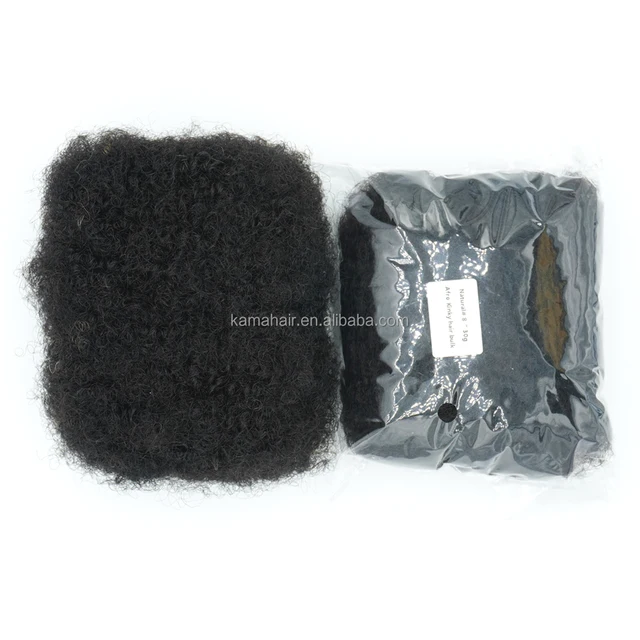
Matched pre-stretched and unsteamed Afro kinky bulk packs plus a short-length lot, so the same head can be built both ways and measured against one another.