A quote sheet looks like a price list. In practice it is a set of assumptions about pack size, weight basis, colour tiers and surcharges — and every one of those assumptions is negotiable territory. Buyers who compare headline numbers rather than normalised unit costs routinely pay more for the same material.
1. Normalise Before You Compare
The only stable denominator across suppliers is cost per gram of usable hair, and cost per finished strand for loc products. Convert every line item to that basis before you look at the total. A pack advertised at a lower price with a smaller net weight is frequently the more expensive option.
- Net vs gross weight: confirm whether the quoted weight includes the band, card and bag. A 100g pack with 8g of packaging is an 8% cost difference before negotiation starts.
- Length basis: 18 inch folded versus 18 inch straightened are different products. Ask which measurement method applies.
- Colour tier: natural 1B and lifted shades such as #27 or #30 carry different processing costs. Quoting a single blended price across shades hides the real spread.
2. The Surcharges That Decide the Real Number
Base price is usually the smallest variable. Look for per-order handling fees, small-batch surcharges below a stated MOQ, custom-length premiums, rush-production premiums and inland freight to the forwarder. These items are where a quote stops being comparable to the one next to it.
3. Validity Windows and Price Locks
Raw material markets move. A quote that is valid for 30 days protects your margin planning; one that is valid "subject to confirmation" does not. Ask for the validity window in writing and, for repeat accounts, request a price lock against a committed quarterly volume.
4. Build a Two-Column Sheet
Track quoted cost and delivered cost side by side for every supplier you use. The gap between the two columns is your procurement noise — and it is the first thing to eliminate before you discuss unit price at all.
The Delivered-Cost Comparison Suite
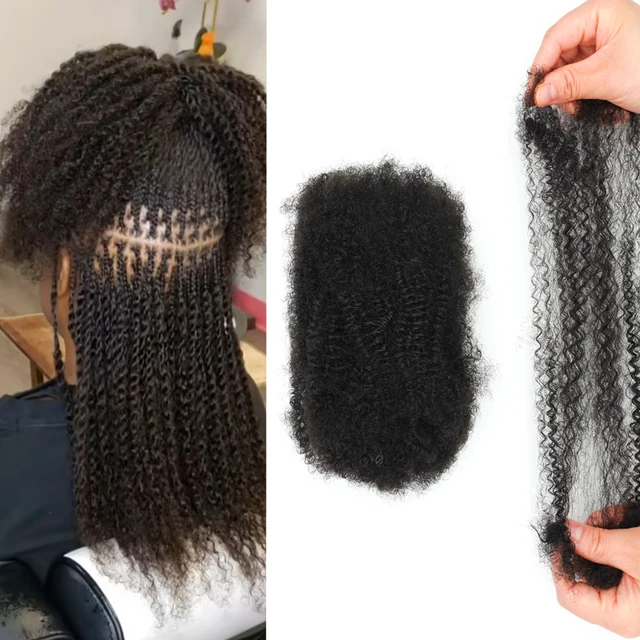
Reference bulk and loc materials used to normalise supplier quotes on a per-gram and per-strand basis.