Free samples are the most expensive marketing line most hair wholesalers run, and almost nobody prices them per converted account. The reason is simple: the metric flatters the policy. Requests look like demand until you divide the spend by the salons that actually reordered.
1. The Economics of Free
A free sample carries product cost, packing, and international shipping — and it attracts a long tail of requests from people who are curious rather than buying. Those requests are not free to serve: each one costs a quote, a follow-up and a data entry, and each one that never converts dilutes the return on the ones that do.
The usual defence is that sampling builds goodwill. It does, for the minority who convert. For the rest it builds a list of people who know your shipping department will send things at your expense.
2. What a Paid Sample Actually Filters
Charging a modest sample fee with the fee credited against the first order changes the population of the request list. It removes the idle requests and keeps the ones with a live install calendar. You are not trying to profit on the sample; you are buying information about intent at cost.
The second effect matters more than the first: a paid sample creates a transaction, and a transaction creates a follow-up right. You are no longer chasing a stranger — you are closing a credit.
3. Cost Per Converted Account
The metric that decides the policy is simple: total sample spend divided by the number of accounts that placed a reorder within ninety days. Apply it to both policies over the same period and the comparison stops being philosophical.
| Line | Free policy | Paid policy |
|---|---|---|
| Samples shipped | 20 (illustrative) | 10 (illustrative) |
| Cost per sample | product + freight | partly recovered |
| Reorders within 90 days | usually a minority | usually a majority |
| Cost per converted account | high and rising | lower and measurable |
The illustrative counts are not the argument — the ratio is. Fewer, better-qualified samples routinely beat a larger free list on cost per converted account, and they cost less in follow-up time as well.
4. What Belongs in a Paid Kit
A paid sample must answer the questions a stylist asks before an install: does the texture match my client, does the colour hold under light, and does the bundle survive a wash. Send matched lots of two or three textures rather than one large bundle, include the lot number on every tag, and keep the kit under the weight band that avoids a customs delay.
Put a one-page measurement sheet in the box: shelf length, relaxed length, weight, and the lot code. It costs almost nothing to print and it teaches the buyer to evaluate the same way you do.
5. The Policy Line to Write Down
State the fee, the credit, and the condition in one sentence: sample fee is credited against the first order of a stated minimum within sixty days, one kit per salon. Then hold it. A policy with exceptions is not a filter, and every exception reopens the free-sample problem you just paid to close.
6. When Free Is Correct
Free sampling still wins in two cases: a distributor evaluating a full range before a seasonal commitment, and an existing account testing a new texture. In both, the relationship is already established and the sample is an expansion cost, not an acquisition cost. Price it that way and measure it separately.
The Sample Conversion Test Suite
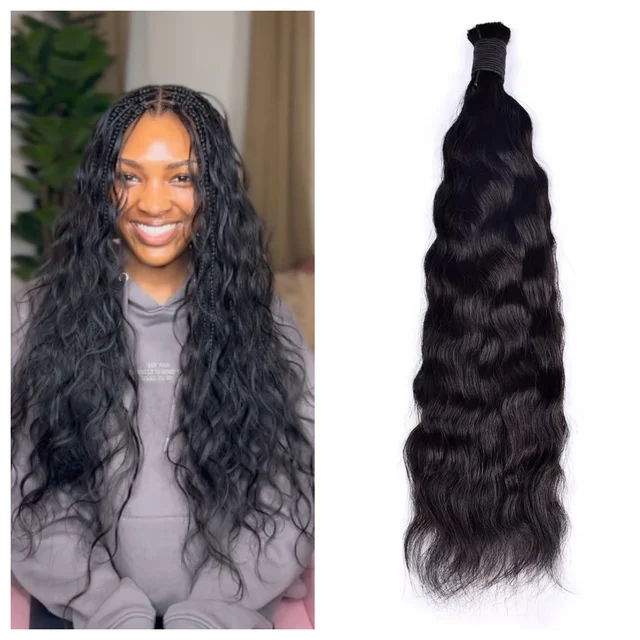
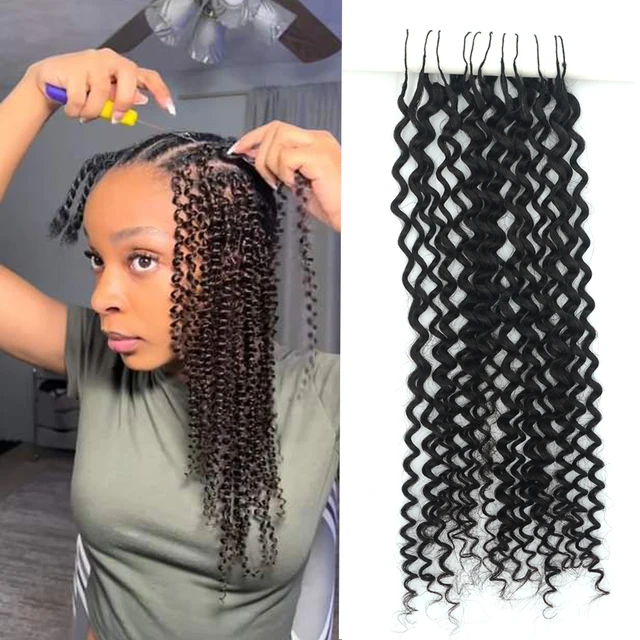
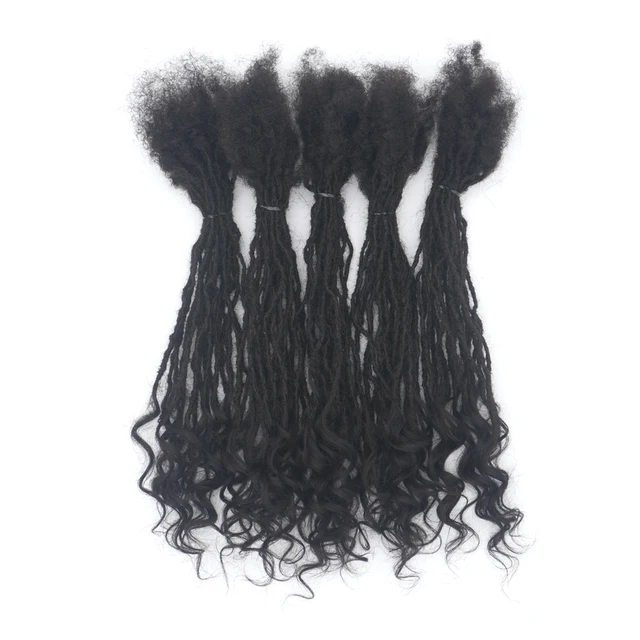
Three sample-grade formats across bulk, feather-tip and micro-loc construction — enough variety to test how a prospect handles a paid sample before they handle an order.