A client who had a comfortable installation in a dry month can report a tight, heavy head in a humid one - with no change to the locs themselves. That is not imagination. Human hair is hygroscopic, meaning it takes up moisture from the air and releases it again as conditions change, and the weight of that moisture is carried by the client's own roots.
1. Human Hair Is Hygroscopic
Hair fibre absorbs water vapour from the surrounding air and holds it within the cortex. In a humid climate or a humid season, the fibre takes on moisture and both the mass and the diameter of each strand increase. In dry conditions the reverse happens: the fibre sheds that moisture and the strand contracts.
This is a property of the material, not a defect in it. It applies to natural human hair on a client's head and to human hair extensions alike, which is why an installation does not experience the change as a contrast - it experiences it uniformly.
2. Why Wet Weight Matters More Than Dry Weight
Dry weight is the number people quote when comparing products, but it is the loaded weight that the follicle actually experiences. Water taken up from the air, plus water taken up during washing and drying, is the load that pulls on the root junction.
This is also where diameter matters. Thicker locs hold a larger internal volume of water per unit of length, so the seasonal swing in carried weight is proportionally larger on a 0.6cm loc than on a 0.25cm one. The lighter the strand, the less the seasonal change translates into tension at the scalp.
3. Climate-by-Climate Briefing Notes
- Humid coastal and tropical markets: expect longer drying times and a heavier-feeling installation. Emphasise thorough drying between washes, and consider a lighter loc diameter as the default for new installations.
- Dry inland and continental winters: expect the fibre to feel lighter and occasionally drier. Emphasise moisture balance in aftercare, because fibre that is repeatedly dried out loses flexibility and becomes more brittle at the ends.
- Markets with a sharp seasonal switch: the transition weeks are when clients notice the change most. A brief note at the end of the installation about what to expect in the coming season prevents a large share of avoidable complaint calls.
4. Aftercare That Limits Seasonal Movement
Aftercare cannot stop moisture exchange, but it can stop the swing from causing damage. Two practices do most of the work: drying the locs fully rather than partially before the client leaves the chair or goes to sleep, and keeping the scalp and root junction free from product build-up so that tension is distributed rather than concentrated.
For the salon, the practical upgrade is to size the installation with the humid season in mind rather than the season of the appointment. Locs installed for a high-humidity summer in a light diameter carry that same client comfortably into a dry winter, whereas a heavy installation chosen in a dry month can become uncomfortable once the humidity arrives.
The Seasonal Stability Suite
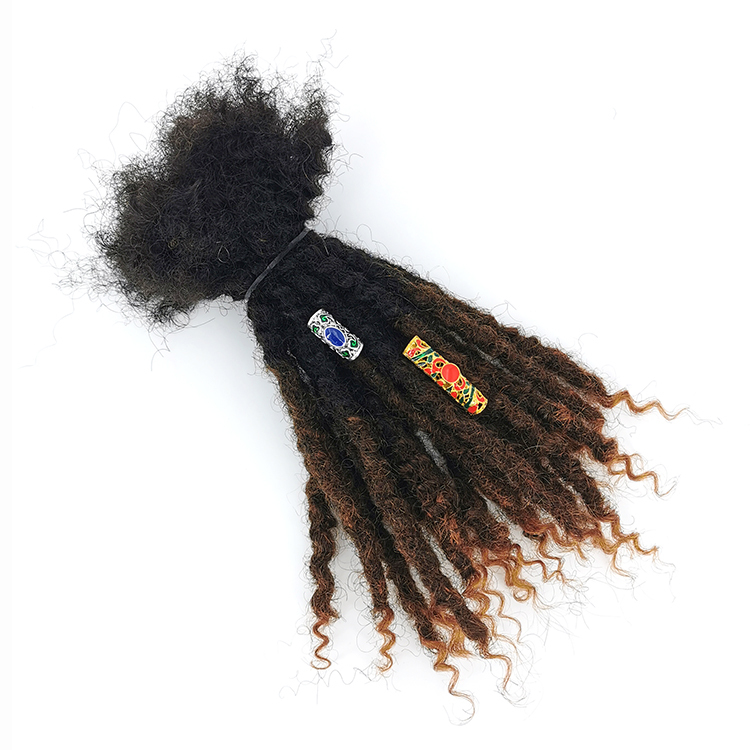
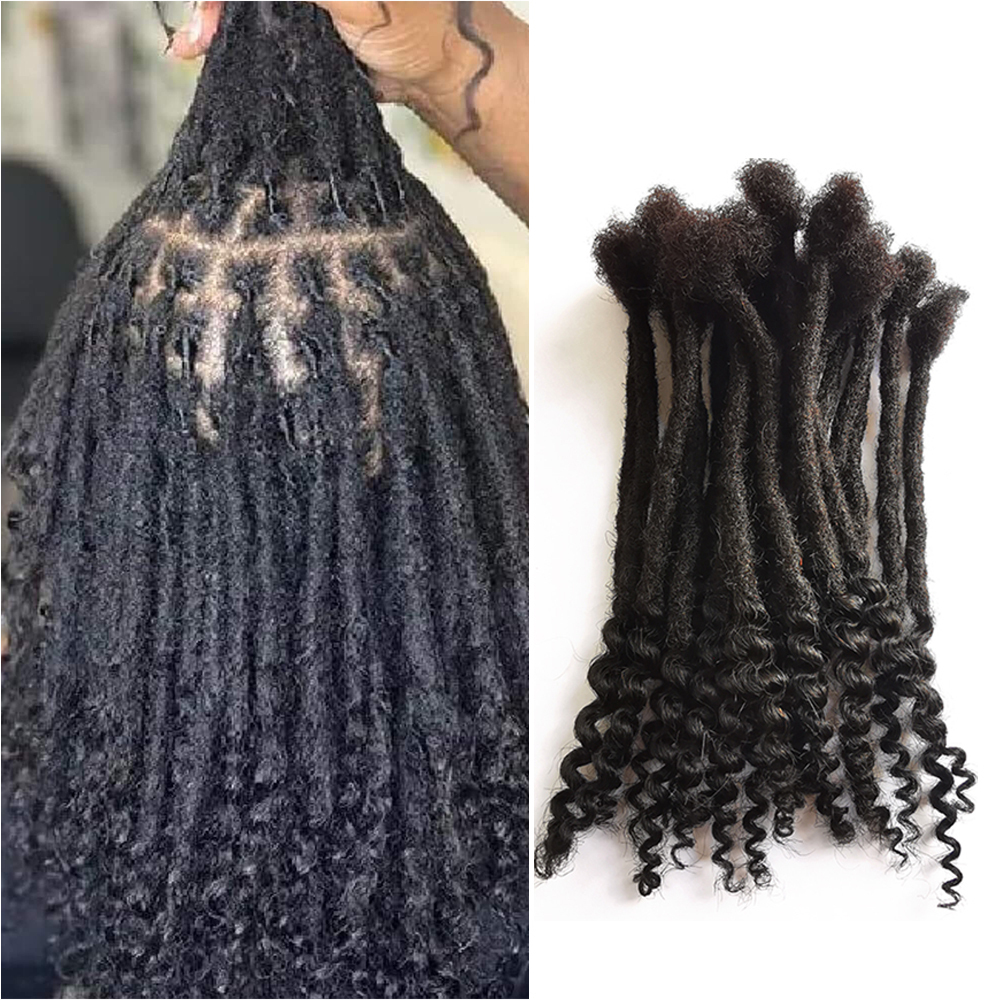
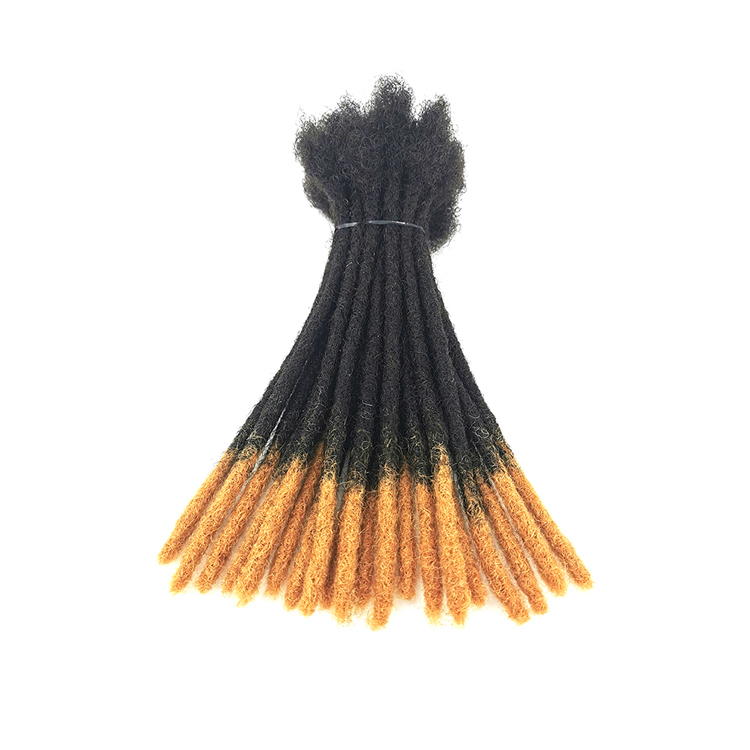
Three loc formats with different density and curl profiles, for comparing how the same installation behaves across a humid and a dry season in the same market.