Custom colour is where a sourcing relationship is won or lost. The brief is usually verbal, the sample is judged in one lighting condition, and the bulk order arrives weeks later carrying a tone that is close but not the same. The gap is rarely dishonesty. It is an authorised sample that did not specify enough.
1. What a Sample Has to Specify
Tone is not a single value. A custom brief needs the base level, the target tone, the blend ratio between tones, and the position of the gradient if the colour is two-tone. Without the ratio, a supplier can match the target tone perfectly and still produce a bundle that reads wrong at scale.
Add the gauge and the processing route to the same record. Lifting a fibre to reach a tone changes how that fibre behaves under tension, and two suppliers reaching the same visual result by different processes will behave differently after three months of wear.
2. Judging the Sample in the Right Conditions
Approve a colour sample in daylight, not under salon lighting, and approve it against the client's actual base tone rather than against a colour chart alone. A tone that reads correct on a chart can read warm against a specific client's hair, and that gap is the most common cause of a failed custom reorder.
3. Checking the Bulk Delivery
- Lot spread: pull one bundle from the top and one from the bottom of the carton and compare them to each other before comparing either to the sample.
- Ratio check: verify the blend ratio on a small section, since ratio drift is more visible in a finished installation than any tone difference.
- Wash test: wash a sample section and re-check the tone, because a lifted tone that shifts on washing will shift on the client.
- Batch record: file the batch reference with the approved sample, so the next reorder is a specification rather than a conversation.
4. Why the Protocol Pays for Itself
Custom colour carries a higher unit cost and a higher rejection rate than natural tones, and both are absorbed by whoever cannot evidence what was agreed. A four-item sample record converts that risk into a document, and it is the reason a distributor can confidently repeat a premium colour line rather than discontinuing it after one bad batch.
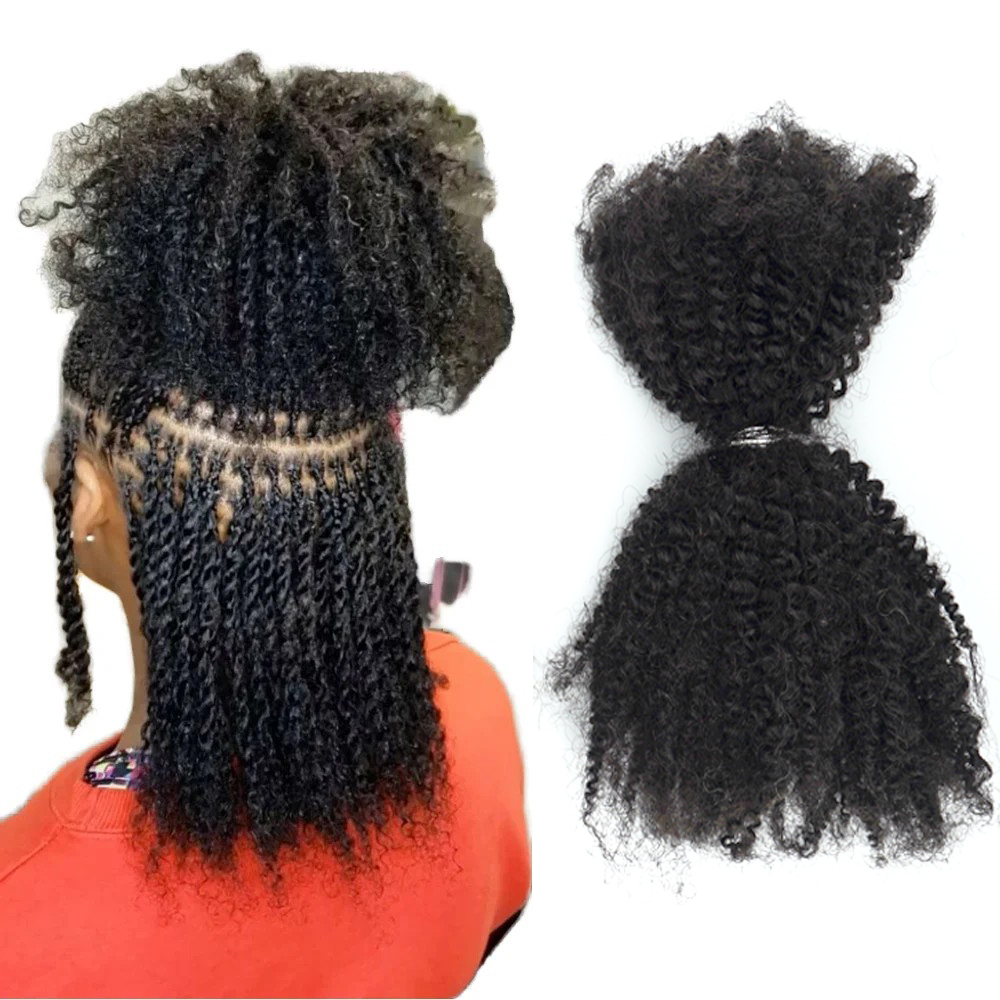
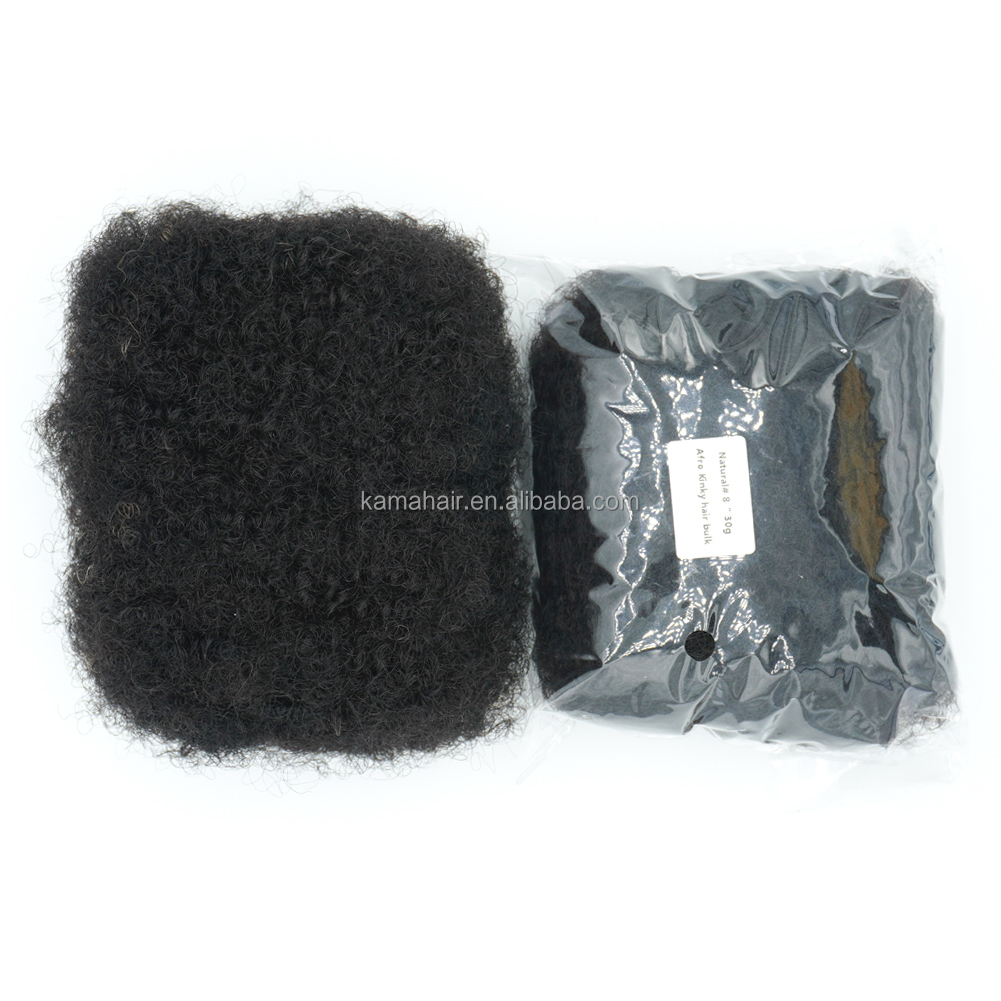
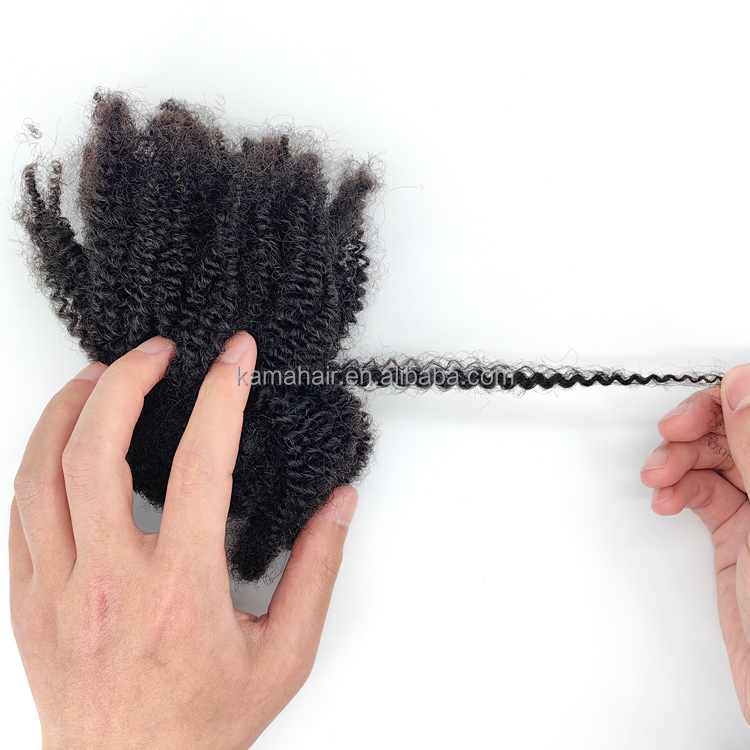
The Custom Colour Sampling Set
A colour-critical bulk, a small-format kinky line and an unprocessed dyeable bulk - the three components that make a custom tone reproducible across reorders.