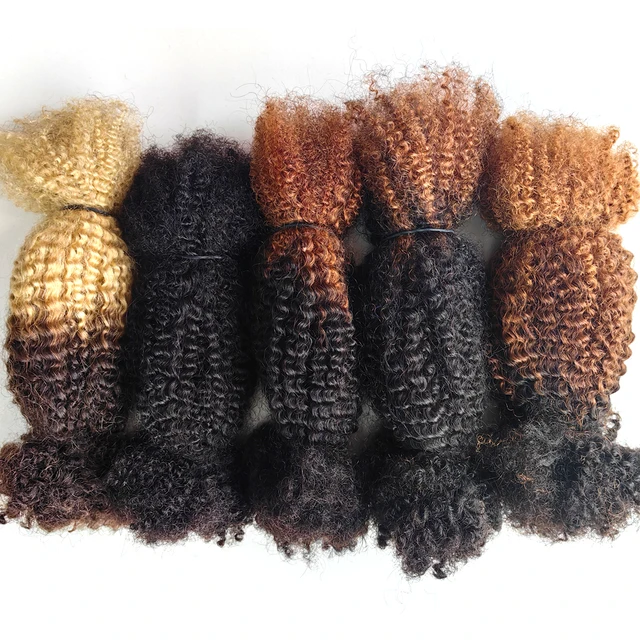
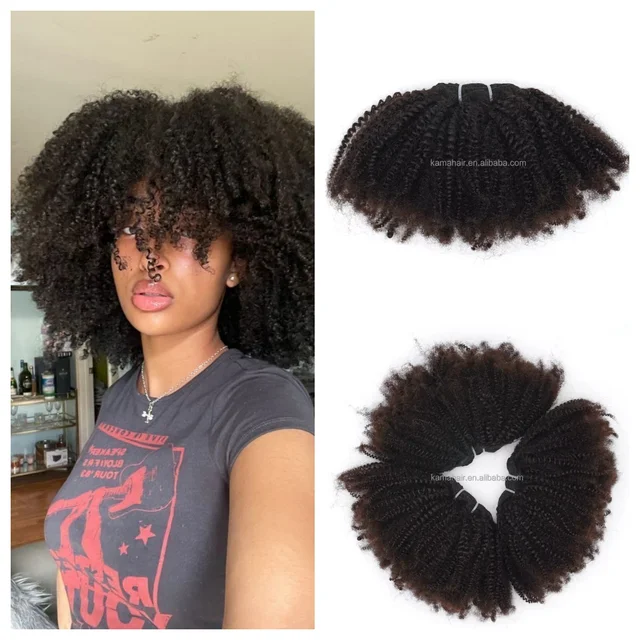
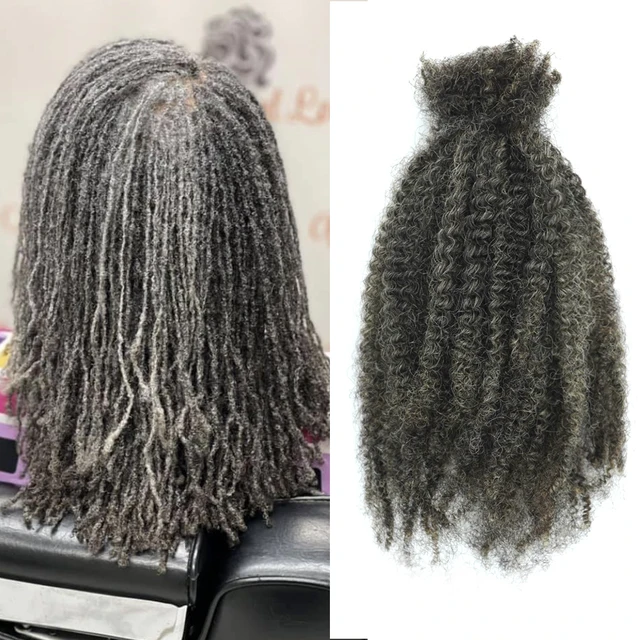
Processing residue is one of the few defects you can detect before installation, before the client, and before the refund conversation. It shows up as smell, as a slippery hand-feel, or as a cloudy first rinse — and all three are cheap to test.
1. The Smell Test, Done Properly
Open the pack and let it breathe for a few minutes in a normal room. A faint natural hair smell is expected. Sharp acidic notes usually indicate residual processing liquid that was not fully neutralised; a heavy perfumed smell is often a cover for exactly that. Both deserve a rinse test before the material goes into a client's hair.
2. The Rinse Test
Take a small cutting, rinse it in lukewarm water in a clear glass, and look at the water. Slight cloudiness is normal on first wash. Persistent colour release across two or three rinses, or water that stays visibly tinted, tells you the dye or coating is not stable — and that it will behave the same way on a client's pillowcase.
3. Hand-Feel and Coating Detection
A silicone or polymer coating makes hair feel smoother than its cuticle structure should allow, and it typically degrades after a few washes into a drier, rougher hand-feel than uncoated hair of the same grade. Compare a coated-feeling sample against a known raw reference from your own stock.
4. Record It in Your Own Words
Keep a simple intake log: supplier, lot, date, smell, rinse result, hand-feel. After a few months this log becomes the strongest negotiating document you own, because it shows pattern rather than isolated complaint.
The Intake Screening Suite
Materials for running odour, residue and rinse tests across a mixed bulk order.