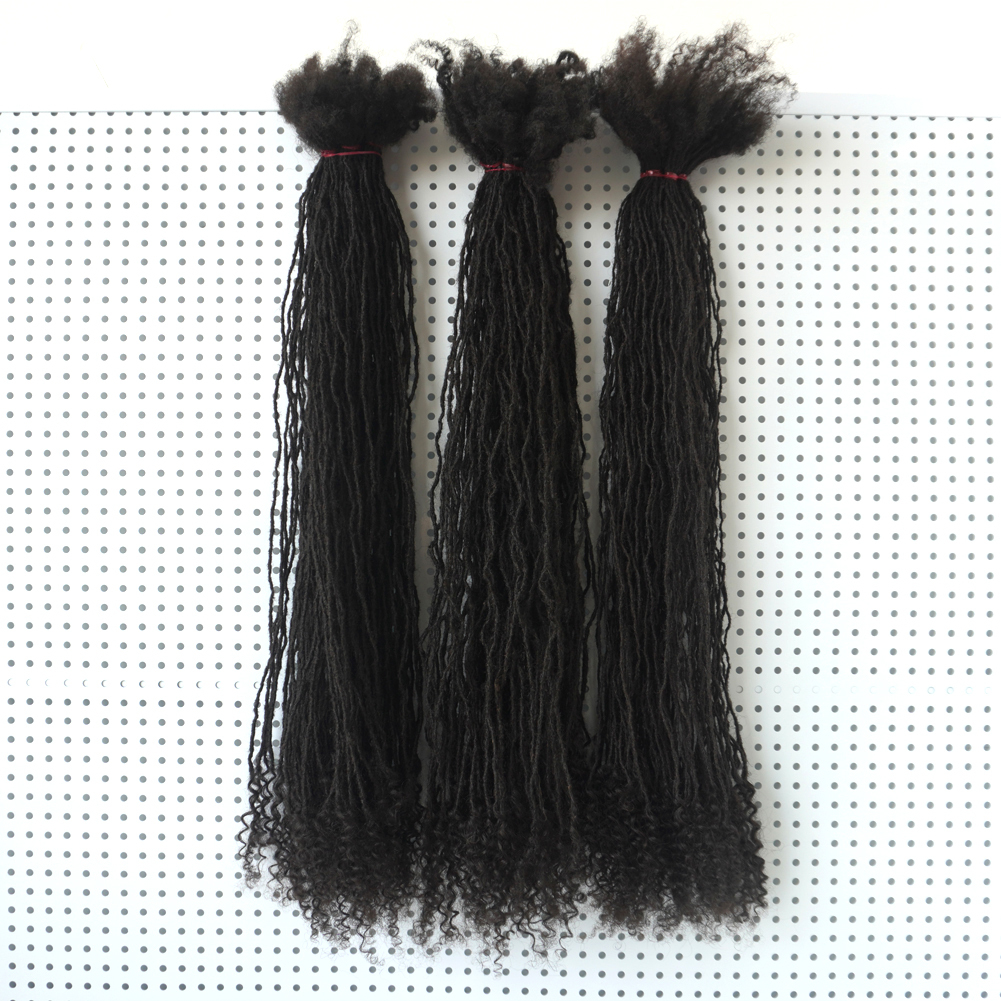
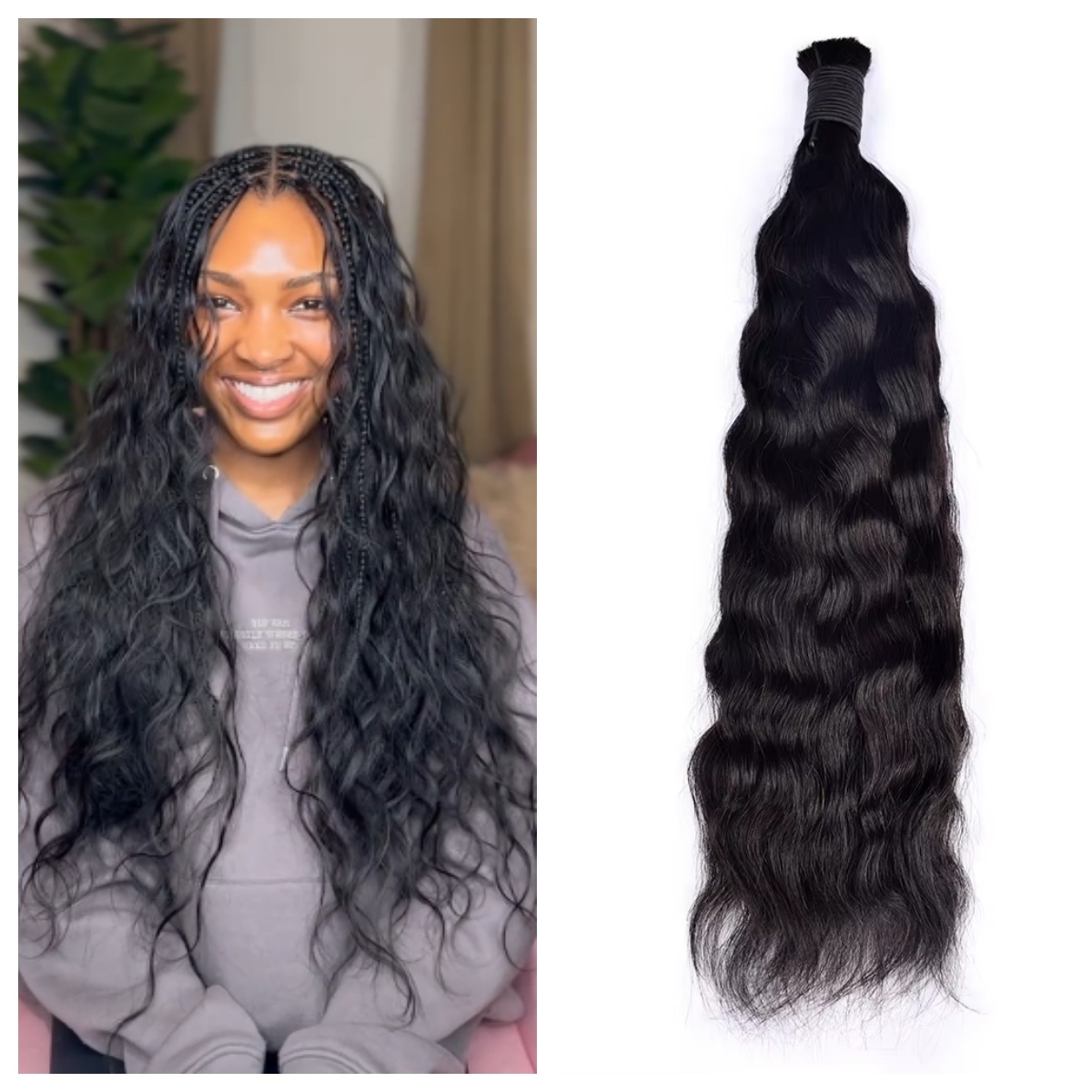
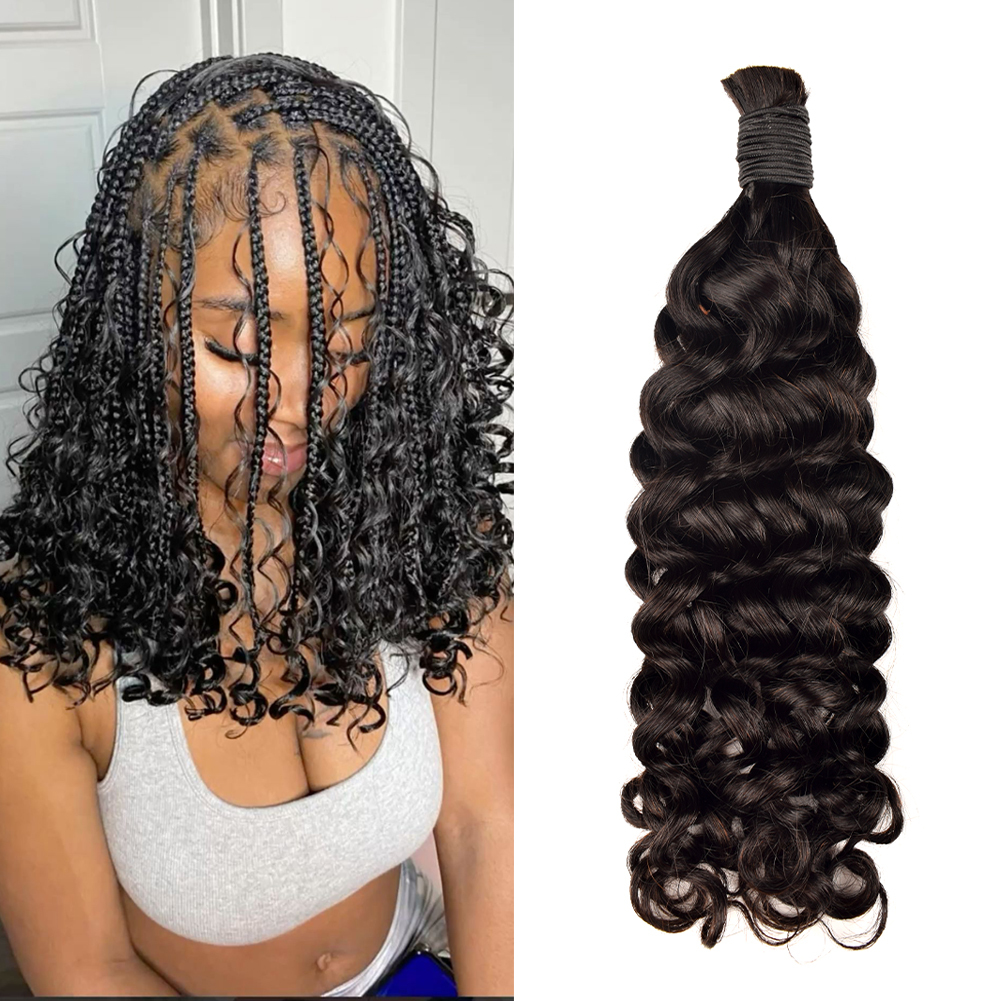
Boho locs and crochet braids are often discussed as if they were interchangeable protective styles. Operationally they are not. They consume different amounts of material, different amounts of chair-time, and they fail in different ways. Margin follows from those differences.
1. What Landed Cost Actually Includes
The invoice price per pack is the least interesting number in the calculation. Landed cost per client is what remains after you account for material consumed, waste from cutting and re-work, installation hours, and how long the style holds before the client needs service again.
A cheap pack that requires more material per head can easily cost more per client than a denser pack at a higher unit price. This is why unit-price comparison between suppliers rarely predicts which one is actually cheaper to run.
2. Material Math: Weight and Waste
Crochet and boho styles are built from bulk, so the material is consumed by volume rather than by count. Two levers matter most:
- Weight per pack. A heavier calibrated pack reduces the number of packs opened per client, which reduces both cost and partial-pack waste.
- Cut waste. Styles that require heavy trimming of pre-formed pieces generate waste the client pays for indirectly. Pre-formed curly-end boho locs reduce that trimming because the finish is already built.
3. The Chair-Time Comparison
Both styles are faster to install than a hand-built loc grid, but for opposite reasons. Crochet installations are fast because the hair is added onto a prepared base, which means the base work still has to happen. Boho loc installations are fast because the loc structure itself arrives finished - the stylist is integrating, not building.
Illustrative model (not a quoted service time): if a crochet installation and a boho loc installation both occupy roughly the same appointment length, the boho service carries a lower material-consumption profile per chair-hour because less of the material is trimmed away. The size of the gap depends entirely on your own consumption tracking and your rate card.
4. Choosing a Style Mix by Client Segment
Rather than picking a winner, segment the menu:
- Volume clients who rebook on a predictable cycle are best served by the style with the tightest material and time profile, because the cost structure repeats on every visit.
- Statement clients selecting for finish and longevity are best served by pre-formed boho locs, where the visible curl-end detail is manufactured to be uniform rather than improvised in the chair.
- Blend clients wearing goddess or boho braids need soft wave bulk that integrates with their own texture - the blend quality is the deliverable, so this is a poor place to economise on material.
Price each service against its own consumption profile. Cross-subsidising one style with another is the most common way a protective styling menu drifts into unprofitability without anyone noticing the moment it happened.
The Boho Loc Profit Stack
Curly-end boho locs plus the virgin bulk and bundle formats salons use to build crochet, goddess and boho styles in-house.